
Manual Boom Gate | Manual Barrier Gate | Hand-Operated Barrier Gate

Manual Boom Gate Wind Load Graphs | Arm Length vs 130 mph Hurricane Resistance

These barrier gate wind load graphs— from an independent engineering firm with stamped, signed approval—deliver real-world proof for our manual boom gates and hand-operated barrier gates. With no add-ons or signage—just pure arm strength against gusts. 
Graph 1 maps arm length vs wind speed failure points, spotlighting that red marker: 14 ft arm holds at 130 mph.
Graph 2 tests the 1,200-lb break-force magnet on semi-auto models. Unlike generic gates, this data gives confidence for high-wind sites—no guesswork, just engineered authority.
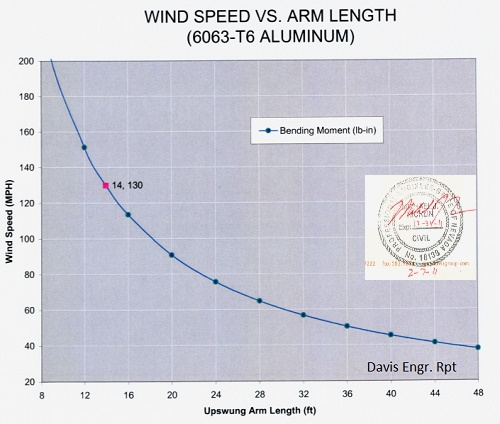
wind speed vs arm length graph

Graph 1: Wind Speed Failure by Arm Length: Graph 1: Arm Length vs Wind Speed – Red marker at 14 ft arm / 130 mph hurricane resistance. Alt Text: Manual boom gate wind load graphs arm length vs wind speed failure curve, red highlight at 14-foot arm surviving 130 mph. Description (under image): Independent calc of max wind speed before arm snaps—shorter arms scale safer. Essential for wind-rated, hand-operated barrier gate installs. Snippet: “14 ft arm holds at 130 mph—full failure curve here.”
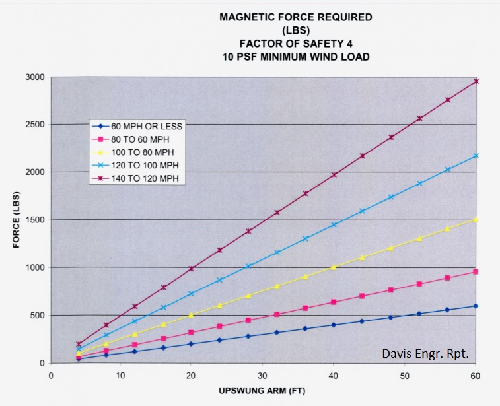
wind speed vs arm length graph

Graph 2: Magnetic Lock Performance: Graph 2: Arm Length vs Magnetic Lock Holding Force – 1,200 lb break magnet on semi-automatic gates. Alt Text: Hand-operated barrier gate magnetic lock force vs arm length chart, 1200 lb hold under wind loads. Description (under image): Shows how the 1,200-lb magnet locks the arm before wind pops it—key for hands-free ops in storms. Snippet: “1200 lb magnet vs longer arms—wind resistance data.”